
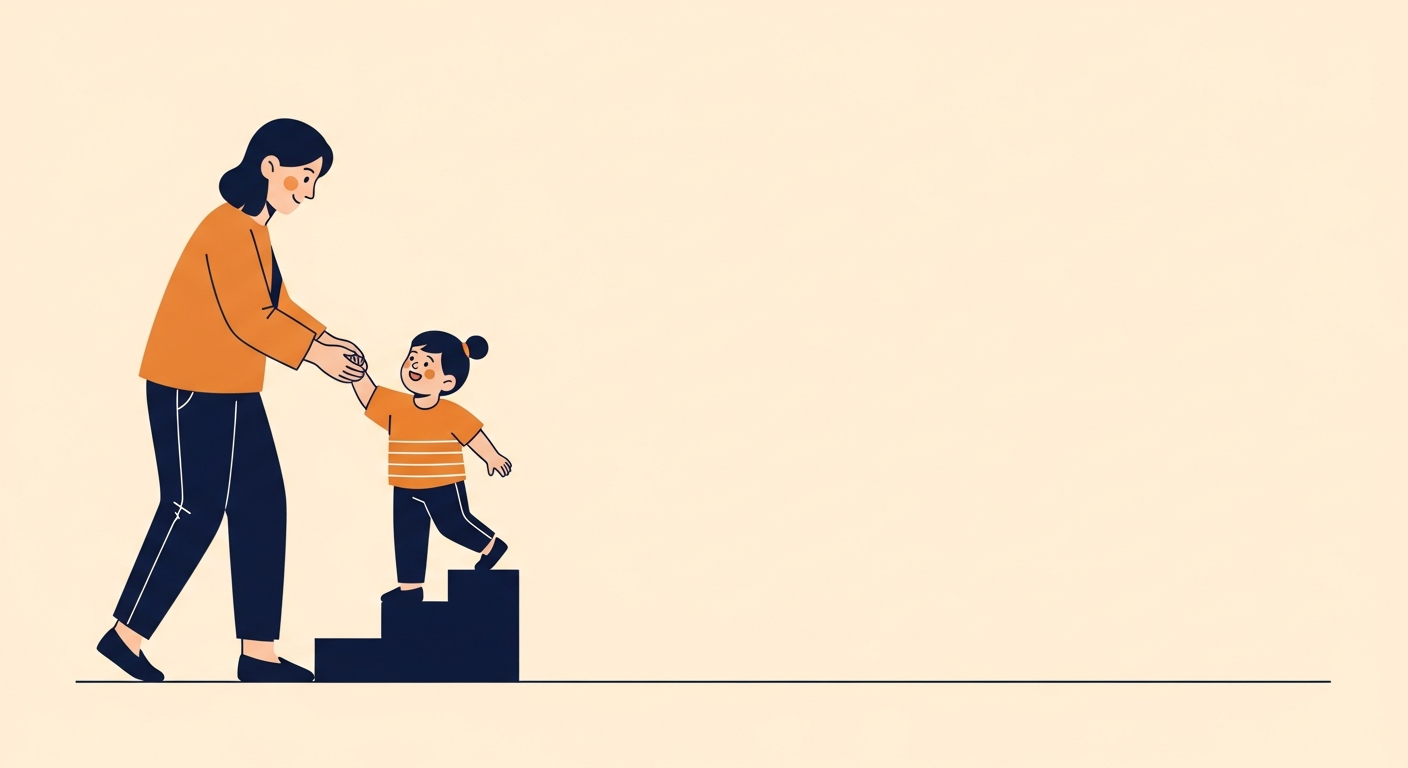
Every parent in Singapore has wondered this at some point: “Am I pushing too hard? Or am I not pushing hard enough?”
It is one of the most uncomfortable questions in parenting, because the answer is not the same for every child — or even for the same child at every age. What feels like firm guidance one year may feel like crushing pressure the next.
The truth is that some pressure is good for children. Without expectations, most children would never stretch beyond what feels comfortable. But too much pressure can quietly do real harm. The Child Mind Institute notes that pushing children too far can cause them to retreat, become resentful, or develop anxiety about trying new things.
Why parents naturally want to push
If you find yourself pushing your child, you are not a bad parent. You are usually responding to something real:
- You see your child’s potential and don’t want it wasted.
- You worry that Singapore’s system is unforgiving.
- You remember regretting things you didn’t do as a student yourself.
- You want your child to have more choices in the future than you did.
These are all loving instincts. The problem is not the instinct — it is what happens when the instinct goes unchecked.
When pushing becomes too much
Pushing crosses the line when it stops being about helping the child grow and starts being about managing the parent’s anxiety.
A few quiet warning signs:
- You feel your child’s results more than your child does.
- You raise your voice more often than you used to.
- Your child has stopped sharing news from school.
- The only conversations you have are about studies.
- Your child agrees easily but does not actually change behaviour.
If several of these are true, the relationship may already be carrying more weight than learning ever will.
Signs your child is overwhelmed
Overwhelmed children rarely say, “I’m overwhelmed.” They show it through behaviour:
- Stomachaches or headaches before school or tests
- Sudden anger over small things at home
- Withdrawing, going quiet, hiding in the room
- Saying “I don’t care” about results they used to mind
- Avoiding starting work, even when they have time
These behaviours are signals, not defiance. They mean the child has hit their current limit and needs a different kind of support — not more pressure.
How to challenge your child safely
The healthiest version of pushing has three parts: high expectations, clear structure, and emotional safety. Children can handle a lot of challenge when they trust that you are on their side.
Try this:
“I know this is hard. I also believe you can do it. Let’s break it down together.”
That single sentence carries challenge and support. It tells the child: I am not lowering the bar, but I am not abandoning you at the bar either.
Confidence and discipline must grow together
Discipline without confidence makes a child obedient but fragile. Confidence without discipline makes a child cheerful but lost. Real growth needs both. The job of the adult is to keep raising the bar — while making sure the child still believes they can reach it.
Parent takeaway
The question is not really how hard should I push? The better question is:
“Is my child becoming more capable and more confident — or more anxious and less honest with me?”
At ADA Tuition, we guide students firmly, but we do not break their confidence to do it. Children improve fastest when expectations are high and support is steady.
← Back to The Journal