Our Locations:
WEST BRANCH
273 Bukit Batok East Ave 4, #02-78, Singapore 650273
NORTH BRANCH
156 Yishun Street 11 #01-14 (Level 2) Singapore 760156
Email: hello@adatuition.com
Phone: (65) 9143 1143

Notes from our tutors on how students actually learn — drawn from research, classroom experience, and many cups of coffee.
Practical articles for parents who want to support their child’s learning, confidence, motivation, and emotional well-being — without constant scolding or pressure.
 Parenting for Better Learning
Last-minute studying can feel productive, but it rarely builds real understanding. Here’s why steady, daily study wins every time — and how parents can help.
 Parenting for Better Learning
If your child spends long hours studying but the marks don’t budge, the problem usually isn’t effort. It’s the kind of effort.
 Parenting for Better Learning
Nagging feels like the only option when nothing else works — but it almost always backfires. Here’s what works instead.
 Parenting for Better Learning
Most unmotivated children aren’t lazy. They’ve simply lost belief that effort will lead anywhere. Here’s how to rebuild it.
 Parenting for Better Learning
There’s a difference between healthy challenge and unhealthy pressure — and most parents only learn it the hard way.
 Parenting for Better Learning
The first 60 seconds after a bad result shape everything. Here are the words that build a child back up — and the ones to avoid.
 Parenting for Better Learning
“I’m bad at Math” is almost never the full story. It’s usually self-protection after one too many disappointments.
 Parenting for Better Learning
Late-night cramming feels like extra effort. Most of the time, it quietly cancels out the studying that came before.
 Parenting for Better Learning
In exam season, the parent’s tone often matters more than the parent’s plan.
 Parenting for Better Learning
If homework has become a daily battle, the problem usually isn’t the child. It’s the setup.
 Parenting for Better Learning
Children pick up on whether the adults in their life are pulling in the same direction. Usually within weeks.
 Parenting for Better Learning
Exam season is hard on the whole family. Six concrete things parents can do at home to keep their child calm, focused, and confident.
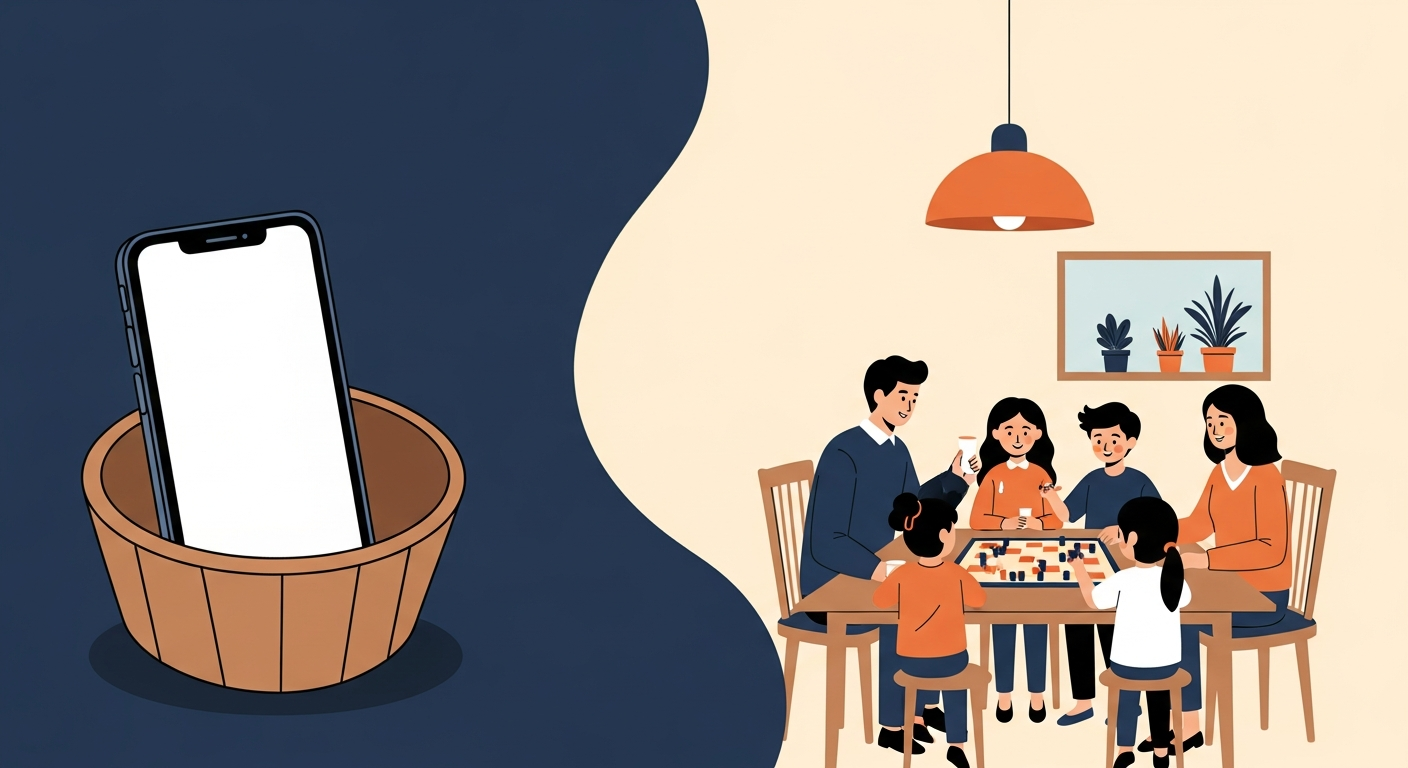 Parenting for Better Learning
Screens are one of the biggest sources of parent-child conflict in Singapore homes. Here’s how to build healthier digital habits — without a daily battle.
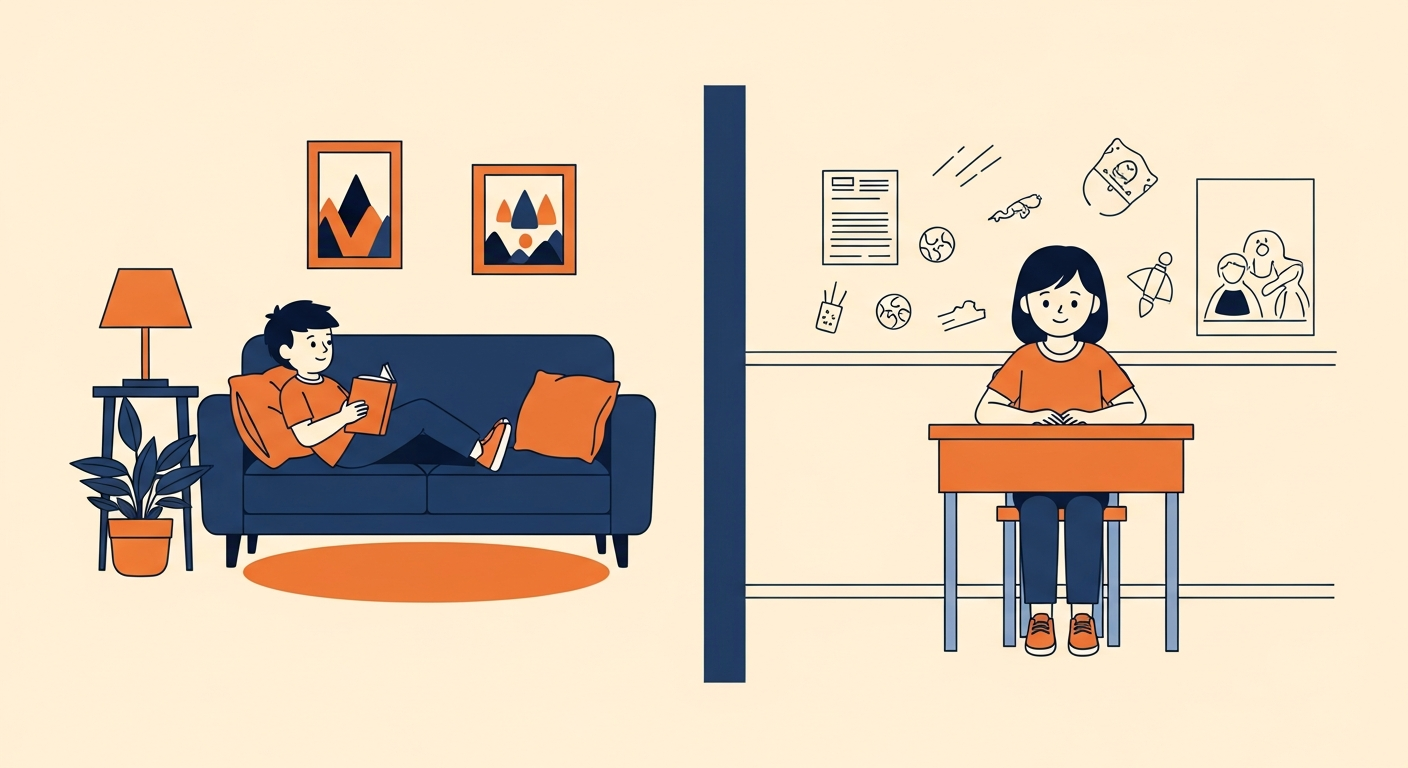 Parenting for Better Learning
The polite, well-behaved student in school can be the angry, resistant child at home. That’s usually not bad behaviour — it’s information.
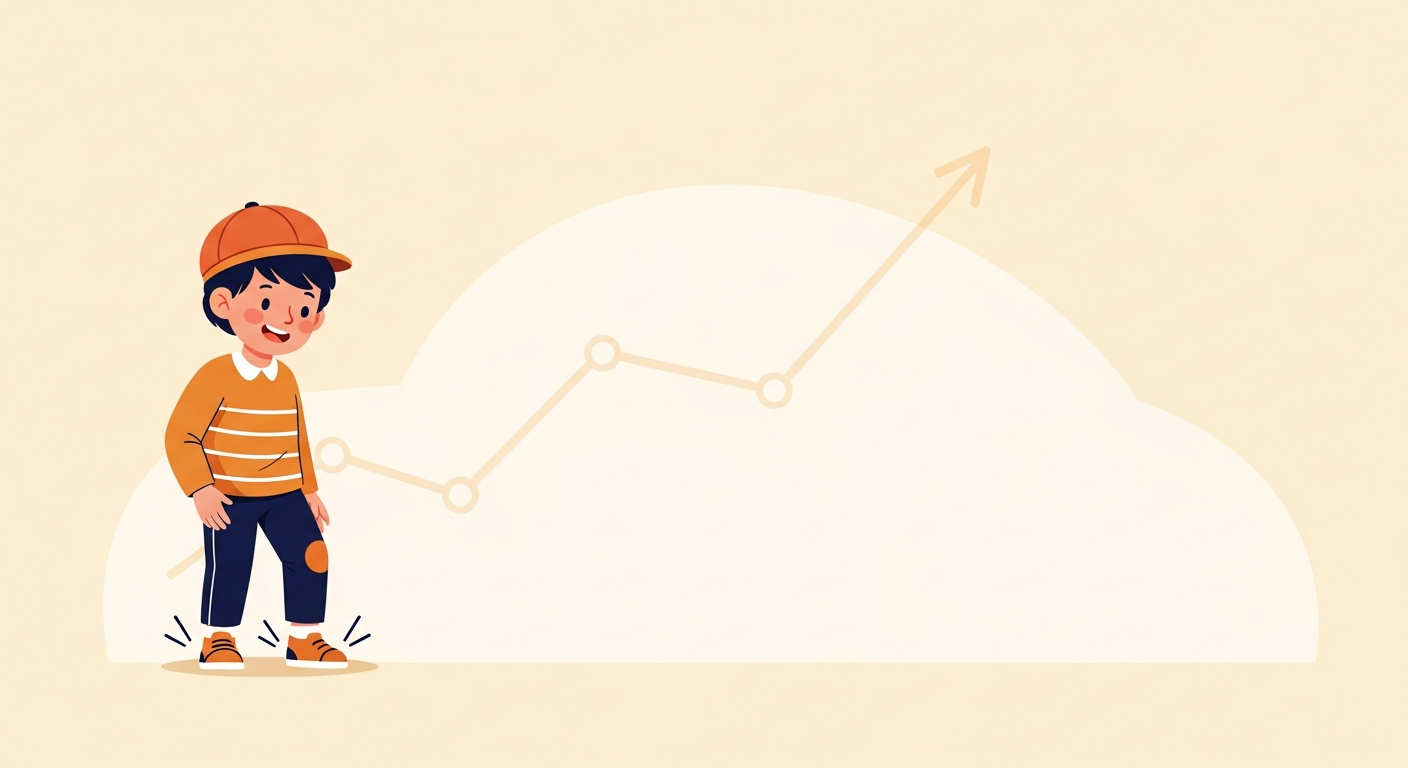 Parenting for Better Learning
The most successful students we’ve taught aren’t always the smartest. They’re the ones who recovered fastest after setbacks.
 Parenting for Better Learning
“I don’t know” is rarely the full answer. It’s usually the polite version of something harder to say.
 Parenting for Better Learning
P3, P5, Sec 1, Sec 3 — every level jump in Singapore quietly raises the bar. Most children take a few months to adjust.
Helping children understand, use and grow with Artificial Intelligence — responsibly. In partnership with Infositter, an AI education company running tools and workshops for learners of all ages.
ADA Tuition has partnered with Infositter to bring practical, age-appropriate AI learning to families in Singapore. Infositter develops AI tools and runs hands-on workshops for children, teens, and adults — teaching everyone to use AI confidently, creatively and responsibly.
 AI Learning for Children
AI is no longer the future. It’s already in their search results, videos and classrooms — and it will shape their working lives.
 AI Learning for Children
You don’t need a computer science degree to understand what AI is. You just need a clear, honest explanation.
 AI Learning for Children
AI is like a calculator for learning. Used well, it sharpens thinking. Used carelessly, it replaces it.
 AI Learning for Children
AI is becoming a tool used by doctors, designers, lawyers and teachers — not just programmers.
 AI Learning for Children
You don’t need to be a tech expert to guide your child through AI. You just need three rules.
How learning, memory, and motivation actually work — translated for parents and students. ADA has partnered with AGT, Garden Genesis and GeneStory Global to bring the latest DNA technology to our students.
 Learning Science
Genes don’t decide what your child becomes. But understanding them earlier can save years of guesswork.
 Learning Science
Ten ideas we keep coming back to at ADA — a practical guide to how the brain actually learns, and how parents can help.
